Can Dirty Oil Make Your Car Harder to Start in Winter?
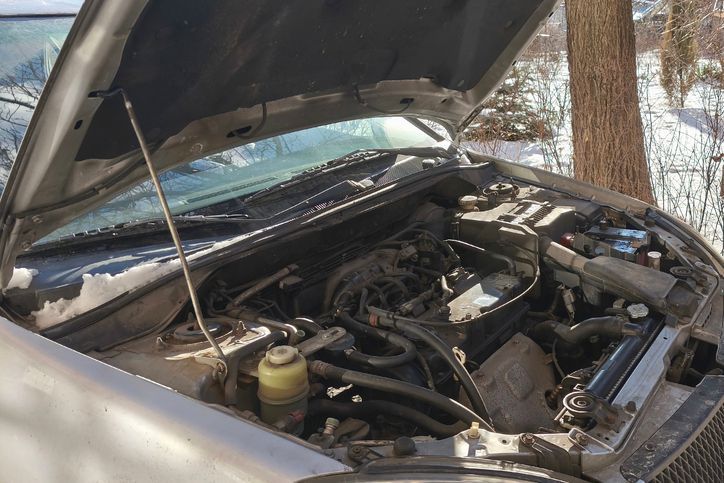
When winter temperatures drop, many drivers notice their vehicles do not start as easily as they do in warmer months. The engine may crank more slowly or feel slightly rough for a few seconds after starting. It is common to assume the battery is the only cause. While the battery plays a role, it is not the only factor.
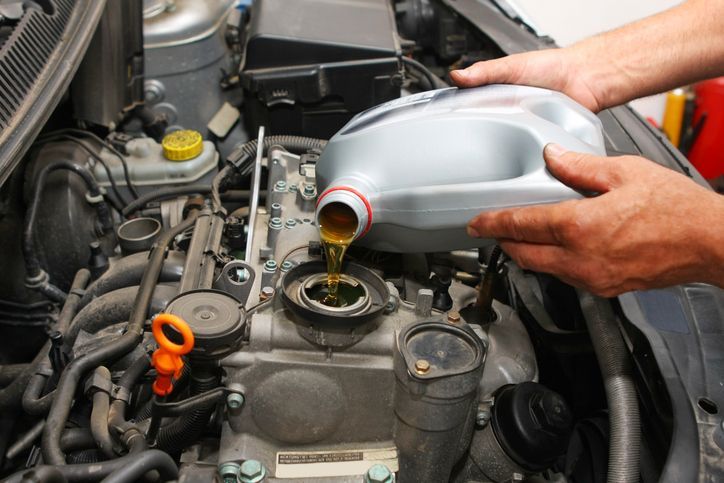
One often overlooked issue is oil condition. As part of proper winter car maintenance, oil care matters as much as oil level. Dirty or degraded oil can increase internal engine resistance, making cold starts more demanding than they need to be.
Why Cold Weather Makes Starting Your Engine More Demanding
Cold weather changes how your engine behaves before it even turns on.
Motor oil naturally thickens as temperatures fall. Even high-quality oil becomes more viscous in low temperatures. When oil thickens, it does not circulate as quickly through the engine during startup. That brief delay can increase internal resistance.
At the same time, engine components such as pistons, bearings, and crankshafts are cold and contracted. The engine must work harder to begin rotating. The starter motor pushes against thicker oil and tighter internal clearances, which creates more strain in those first few moments.
The startup phase is already the most wear-intensive phase of engine operation. In winter, that strain increases. Clean, properly rated oil helps reduce resistance. Dirty oil makes that job harder.
What “Dirty Oil” Really Means
Many drivers think dirty oil means oil that looks dark. In reality, oil degradation is a gradual chemical and mechanical process.
Over time, motor oil breaks down from:
- Heat cycles
- Combustion byproducts
- Fuel dilution
- Moisture buildup
- Microscopic metal particles
Short trips in cold weather make this worse. When you drive only a few miles at a time, the engine may not reach full operating temperature long enough to evaporate moisture and fuel vapors. These contaminants remain suspended in the oil, accelerating breakdown.
As oil degrades, it loses some of its protective properties. Sludge can begin to form, especially in vehicles that extend oil change intervals. Sludge restricts proper oil flow and reduces the oil’s ability to lubricate quickly during startup.
Dirty oil is not usually an immediate failure risk. Instead, it creates cumulative strain over time.
How Dirty Oil Contributes to Cold Start Problems
Dirty oil does not usually prevent an engine from starting. However, it can make starting more difficult and increase internal stress during those first few seconds.
Here is how that happens:
Slower oil circulation
When oil is contaminated and thickened by breakdown products, it moves more slowly through the engine on startup. Critical components may not receive full lubrication immediately.
Increased friction
Oil that has lost some of its protective qualities cannot reduce friction as effectively. When the engine turns over in cold weather, friction between moving parts increases resistance to turning.
Delayed lubrication during peak wear moments
Most engine wear occurs at startup. If degraded oil takes longer to circulate, those parts operate briefly with reduced protection.
The result may feel like a sluggish or slightly strained start on cold mornings. It is not dramatic, but over time, it contributes to additional wear and unnecessary stress.
Signs Your Oil May Be Making Winter Starts Harder
It is not always obvious that oil condition contributes to cold-start difficulty. Still, there are some warning signs to watch for.
- Sluggish starts on cold mornings
- The engine sounds or feels slightly strained for a few seconds after starting
- Oil appears very dark or thick when checked
- You are overdue for an oil change
If you notice any of these issues, it may be time to review your maintenance schedule.
Remember, oil condition is just one factor in winter performance. However, it is a factor you can control easily with regular service.
Why Fresh Oil Matters More in Winter Than You Might Think
Fresh oil flows more efficiently at cold temperatures, mainly when the correct viscosity grade is used for your climate.
Clean oil:
- Circulates more quickly during startup
- Maintains proper viscosity in low temperatures
- Reduces internal friction
- Supports smoother, quieter cold starts
When oil is within its recommended service interval, it performs as intended. It protects moving parts and minimizes startup resistance. During winter, this becomes even more important because the engine is already working harder due to the cold.
If you have been putting off service, searching for a quick oil change near me before temperatures drop can be a simple step toward more reliable starts.
How to Maintain Your Oil System Between Services
Oil changes are essential, but everyday habits also influence oil condition.
Start by checking your oil level and appearance regularly. If the oil looks unusually thick or gritty, it may be time for service even if you have not reached your mileage interval.
Driving habits matter as well. Frequent short trips in cold weather accelerate oil contamination. When possible, allow your vehicle to reach full operating temperature during drives to help reduce moisture buildup.
Most importantly, follow your manufacturer’s recommended service intervals. Extending oil changes too far increases the likelihood of sludge formation and reduces cold-weather performance.
Proactive winter car maintenance reduces unnecessary strain and supports long-term engine health.
How Hood’s Up Quick Lube Helps Prevent Winter Starting Issues
At Hood’s Up Quick Lube, winter service focuses on prevention. The goal is not just to change oil, but to ensure your engine is prepared for colder conditions.
Services include:
- Oil condition checks
- Verification of proper oil viscosity for cold weather
- Fast, professional oil changes
- Basic inspections to help identify early maintenance concerns
Choosing the correct oil for your vehicle and climate matters. Technicians can recommend options that meet manufacturer specifications and perform well in lower temperatures.
Service is designed to be efficient and convenient for busy drivers who rely on their vehicles every day.
Don’t Overlook Oil This Winter
A single factor rarely causes cold-weather starting issues. Oil condition is one piece of the puzzle, but it is an important one.
If your vehicle feels sluggish on cold mornings or you are overdue for service, consider starting with your oil. A fresh oil change can help reduce startup resistance and protect your engine during the most demanding time of year.
Stop in to Hood’s Up Quick Lube for a winter oil change or a quick oil condition check. Preventative maintenance today can support smoother starts tomorrow and help you avoid unnecessary strain on your engine all season long.

Cody has been a part of the Hoods Up Quick Lube team since its opening in 2017. As the district manager, he oversees the operations of all our locations and ensures that our high standards are met. With his extensive knowledge and experience in the automotive industry, Cody is dedicated to providing top-notch service to our customers.
Recent Posts