Why Cold Starts Are Harder on Your Engine Than You Think
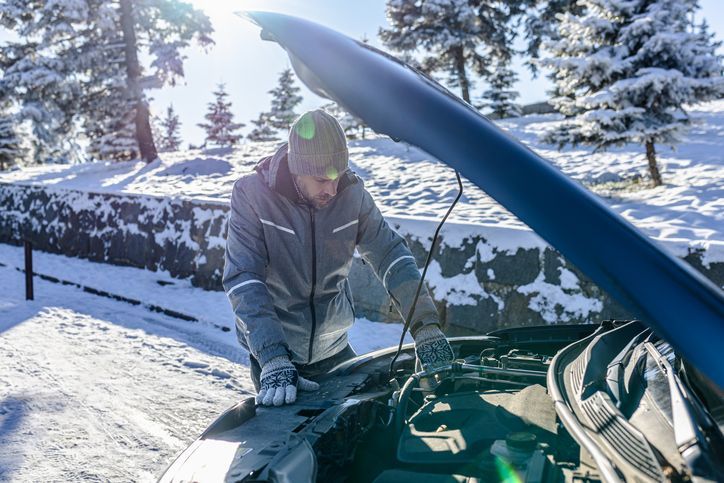
Cold winter mornings do more than slow down your commute or frost over your windshield. They also place added stress on your engine in ways many drivers never think about. One of the most underestimated contributors to long-term engine wear is the cold start, especially during winter months when temperatures remain low and vehicles cool completely between drives.
Cold starts rarely cause immediate or noticeable problems. Instead, they create small amounts of additional wear that build up over time. When oil is not fresh or properly rated for cold weather, that wear increases even more. Understanding how cold starts affect your engine can help you make smarter maintenance decisions and protect your vehicle well beyond winter.
What Happens Inside Your Engine During a Cold Start
When a vehicle sits overnight in cold temperatures, oil settles and thickens inside the engine. This natural reaction to cold slows how quickly oil can move once the engine starts. During those first moments, critical components begin moving before full lubrication is restored.
This brief window is where extra wear occurs, and it happens every time the vehicle is started cold. Key changes during a cold start include:
- Oil thickening in low temperatures, which slows circulation
- Critical engine parts operating briefly with reduced lubrication
- Increased friction before oil pressure fully stabilizes
While modern engines are designed to handle this process, repeated cold starts throughout winter increase cumulative wear over time.
Why Winter Driving Makes Cold Starts More Frequent
Winter driving habits naturally increase how often cold starts occur. Unlike summer, when engines may stay warm between trips, winter conditions cause vehicles to cool rapidly even after short periods of inactivity.
Common winter driving patterns that contribute to frequent cold starts include:
- Short commutes that never allow the engine to fully warm up
- Multiple errands spread throughout the day
- Stop-and-go driving combined with long idle periods
For daily commuters and families running winter errands, it is common to experience several cold starts in a single day. Over the course of an entire season, that repeated stress adds up.
How Cold Starts Increase Long-Term Engine Wear
Cold starts do not typically cause sudden engine failure, which is why they are often overlooked. Instead, they contribute to gradual wear that affects performance, efficiency, and longevity.
Over time, repeated cold starts can lead to:
- Increased friction between metal engine components
- Added stress on pistons, bearings, and camshafts
- Gradual declines in fuel efficiency and smooth operation
This type of wear is cumulative, meaning the impact becomes more noticeable as mileage increases and maintenance is delayed.
Why Oil Condition Matters More in Cold Weather
Oil condition plays a critical role in protecting your engine during winter. Fresh oil is engineered to flow efficiently, even in cold temperatures, allowing it to reach vital components more quickly during startup.
When oil becomes old or contaminated, its ability to protect the engine during cold starts is reduced. In winter conditions, degraded oil can:
- Flow more slowly at startup
- Provide less protection against friction
- Increase stress on internal engine components
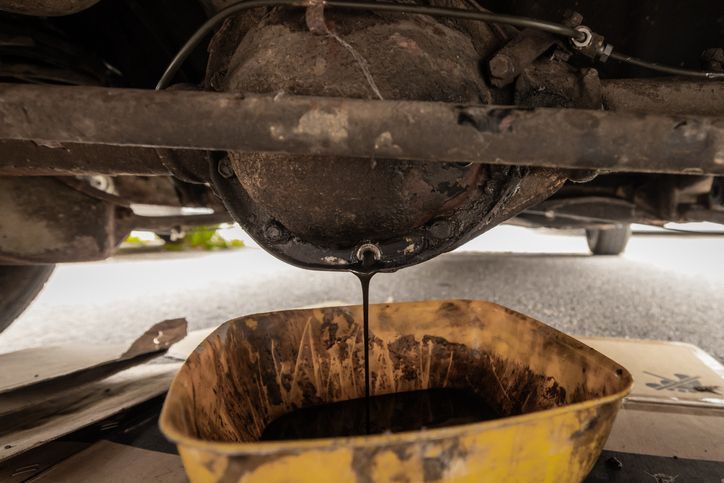
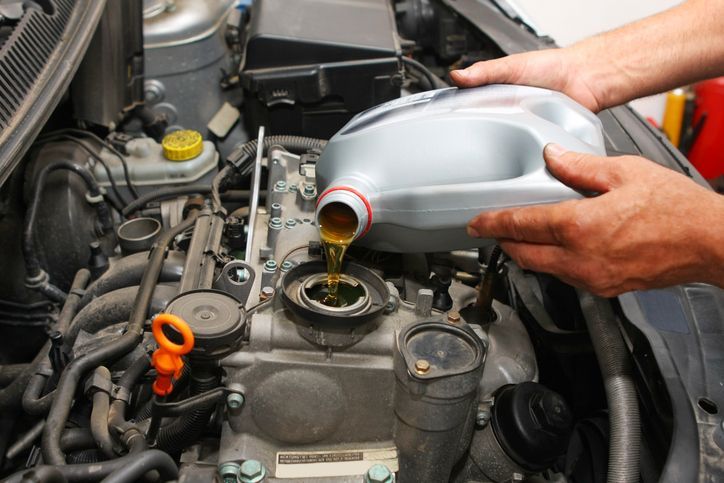
This is why seasonal maintenance plays such an important role, especially when temperatures drop. Staying current with service helps ensure oil continues to perform as intended, which is why seasonal oil changes become especially relevant during winter driving.
The Role of Routine Oil Changes in Preventing Cold Start Damage
Seasonal service is important, but consistent oil change habits throughout the year provide the strongest long-term protection. Clean oil supports engine health by maintaining proper lubrication and reducing harmful buildup.
Routine oil changes help by:
- Removing contaminants that restrict oil flow
- Maintaining proper oil levels and pressure
- Supporting effective filtration during everyday driving
Delaying oil changes allows contaminants to circulate longer, which reduces oil effectiveness during cold starts. This long-term impact is one reason why routine oil changes matter more than you think when it comes to protecting your engine year-round.
Simple Winter Driving Habits That Reduce Engine Stress
In addition to proper oil maintenance, everyday driving habits can help reduce cold-weather engine wear. Small adjustments can make a meaningful difference over time.
Helpful winter habits include:
- Avoiding hard acceleration immediately after startup
- Allowing a brief warm-up period without excessive idling
- Staying consistent with oil change intervals during winter
These practices give oil time to circulate and help reduce unnecessary strain on internal engine components.
How Hood’s Up Quick Lube Helps Protect Your Engine in Winter
Winter maintenance is most effective when it focuses on prevention rather than reaction. At Hood’s Up Quick Lube, the goal is to help drivers reduce wear before it leads to costly issues. Proper oil selection, correct oil choice for seasonal conditions, and timely service all play an important role in winter engine protection.
By staying proactive with oil changes, drivers can reduce the impact of cold starts, extend engine life, and maintain reliable performance throughout the coldest months of the year. Fresh oil remains one of the simplest and most effective ways to protect your engine during winter driving.

Cody has been a part of the Hoods Up Quick Lube team since its opening in 2017. As the district manager, he oversees the operations of all our locations and ensures that our high standards are met. With his extensive knowledge and experience in the automotive industry, Cody is dedicated to providing top-notch service to our customers.
Recent Posts