Is Your Oil Thickening Too Soon? Signs Fall Temps Are Taking Effect
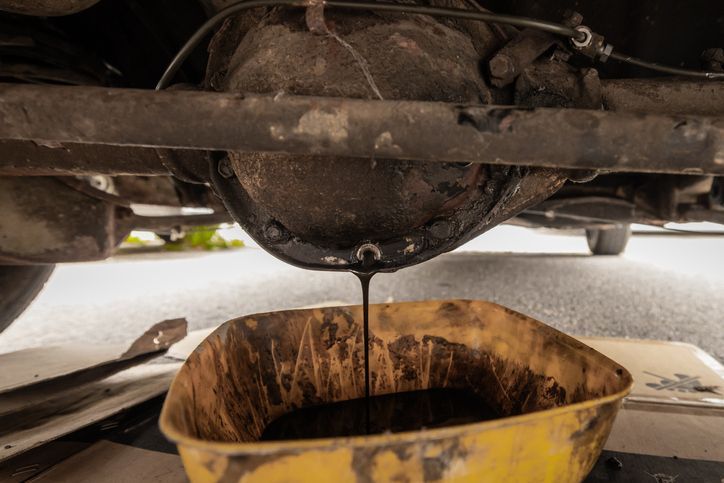
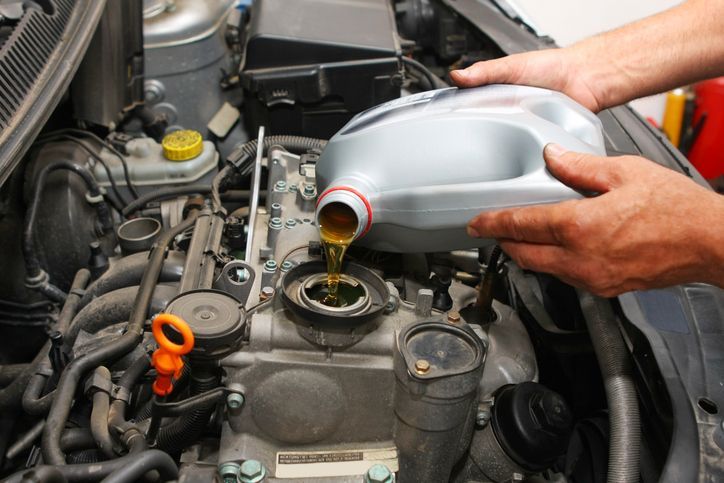
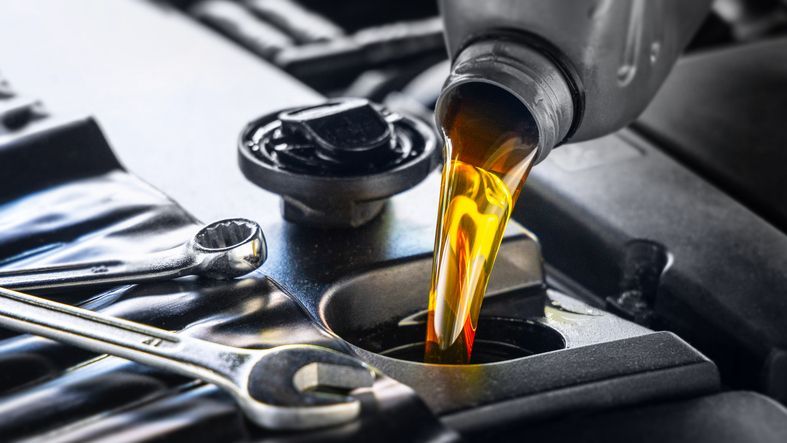
Cold temperatures naturally make engine oil more viscous, which means it flows more slowly during a cold start. Modern multi-grade oils are designed to handle these temperature changes, so cooler fall weather alone usually is not a reason to change your oil early.
If your vehicle is harder to start, making unusual noises, showing a maintenance reminder, running low on oil, or already due for service, check your maintenance schedule and oil level before assuming the weather is the cause. If an oil change is due, taking care of it before winter can help you stay on schedule and avoid dealing with maintenance during colder weather.
Why Engine Oil Behaves Differently as Temperatures Fall
Engine oil becomes thicker as temperatures drop. This change in viscosity can make oil circulate more slowly immediately after a cold start.
That is normal to a point. Modern multi-grade oils are designed to work across a range of temperatures. The American Petroleum Institute explains that multi-grade oils maintain appropriate flow at lower temperatures while also providing the necessary viscosity once the engine reaches operating temperature. API also recommends using the SAE viscosity grade specified by the vehicle manufacturer. (API Motor Oil Guide)
Hoods Up also explains how cold-weather oil changes and seasonal engine protection relate to colder temperatures, including how oil can circulate more slowly when an engine is cold.
What Does the "W" in Your Oil Grade Mean?
Oil grades such as 0W-20 and 5W-30 describe how an oil performs at different temperatures.
The number before the "W" relates to cold-temperature performance. A lower number indicates that the oil is designed to flow at lower temperatures. The second number describes viscosity once the engine reaches operating temperature.
Mobil notes that the W grade relates to an oil's ability to support cranking, starting, and oil pumping in colder conditions. (Mobil)
That does not mean you should automatically switch from 5W-30 to 0W-20 when fall arrives. Follow your owner's manual and use the viscosity recommended for your engine rather than choosing an oil based only on the season.
Signs Your Vehicle May Need Attention This Fall
Cooler weather can make existing maintenance needs more noticeable. These signs are worth checking, but none should be diagnosed based on temperature alone.
Your Maintenance or Oil Change Reminder Is On
If your maintenance reminder says service is due, check your mileage, oil-life monitor, and manufacturer's maintenance schedule.
A routine maintenance reminder is different from an oil-pressure warning light. If an oil-pressure warning appears, follow the instructions provided by your vehicle manufacturer.
Hoods Up's guide to signs your car needs an oil change also identifies dashboard alerts and unusual engine sounds as reasons to check your vehicle's oil and maintenance status.
You're Hearing Unusual Engine Noise
An engine may sound slightly different immediately after a cold start, but new or persistent noises deserve attention.
If you hear ticking, knocking, grinding, or another unfamiliar sound, check whether your oil level is correct and whether maintenance is due. Oil is only one possible cause, so a continuing noise may need further inspection.
You're Overdue Based on Time or Mileage
Sometimes cold weather is not the problem. It simply arrives around the same time your next oil change is due.
Check your service records, oil-change sticker, oil-life monitor, or owner's manual. If you have reached the manufacturer's recommended interval, schedule service rather than waiting for winter.
Your Oil Level Is Low
Oil level and oil age are separate issues. Even relatively fresh oil can be low.
Check the oil using the procedure in your owner's manual. If the level is below the recommended range or repeatedly drops between services, the vehicle may need additional attention.
Your Vehicle Is Harder to Start
Cold weather can make starting more difficult, but engine oil is not the only possible cause. AAA notes that low temperatures reduce the amount of power a battery can provide while an engine needs more energy to start. (AAA)
If your vehicle cranks slowly, clicks, or repeatedly struggles to start, do not assume an oil change will solve the issue. Battery condition and other mechanical or electrical factors may also be involved.
Is Cold Weather the Problem or Are You Overdue for Maintenance?
Normal cold-weather behavior usually appears briefly after startup and improves as the engine warms.
A maintenance issue is more likely when there are additional signs, such as:
- An active maintenance reminder
- An overdue service interval
- Low oil
- Persistent engine noise
- Starting problems that continue or worsen
Look at the full maintenance picture rather than diagnosing the vehicle from one symptom. Check your mileage, maintenance history, oil level, warning lights, and whether the symptom continues once the engine is warm.
Should You Change Your Oil Before Winter?
You do not need an oil change simply because winter is approaching.
Consider scheduling one if your manufacturer's recommended interval is coming due, your oil-life monitor indicates service is needed, or upcoming driving will push you past the normal interval.
Taking care of scheduled maintenance in the fall can also be convenient before winter commuting and holiday travel.
What you should not do is change to a different viscosity grade on your own because temperatures are falling. API recommends following the vehicle manufacturer's viscosity specification. (API Motor Oil Guide)
Get Your Vehicle Ready for Colder Mornings
If your vehicle is current on maintenance and starts normally on cooler mornings, the seasonal change in oil viscosity may not require any action.
If you are due for service, seeing a maintenance reminder, running low on oil, or noticing a new symptom, checking the vehicle now can help you determine whether maintenance is needed before winter.
For drivers looking for a quick oil change in McMurray, Hoods Up Quick Lube provides oil and filter changes along with other listed maintenance checks as part of its full-service oil-change offering.
The best approach is simple: use the oil specified for your vehicle, follow its recommended maintenance schedule, and respond to new symptoms instead of assuming cold weather is the only cause.
If your oil change is due, visit Hoods Up Quick Lube before colder mornings become part of your daily routine.

Cody has been a part of the Hoods Up Quick Lube team since its opening in 2017. As the district manager, he oversees the operations of all our locations and ensures that our high standards are met. With his extensive knowledge and experience in the automotive industry, Cody is dedicated to providing top-notch service to our customers.
Recent Posts