What Happens When Summer Oil Faces Cold Fall Mornings
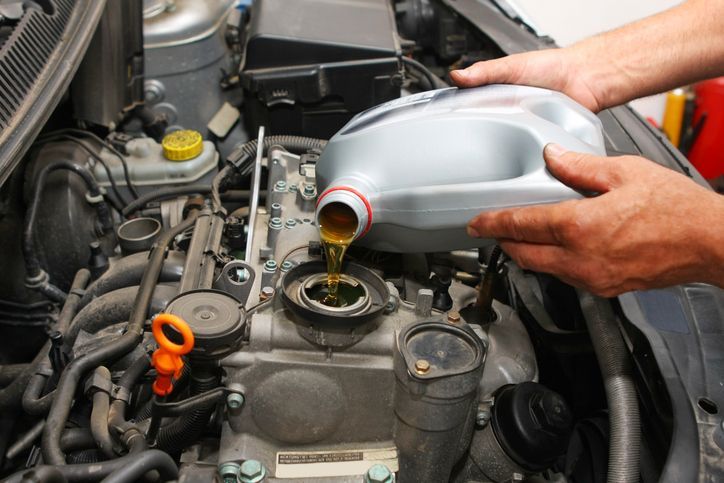
As summer turns to fall, cooler mornings change the conditions your engine faces every time you start your vehicle. Your engine oil that worked through summer heat, road trips, traffic, and daily commuting now has to perform as outside temperatures begin to drop.
So, does your car need an oil change just because fall has arrived? Not necessarily. However, fall is a good time to check your oil level, review when your last oil change was completed, and compare your current mileage with your vehicle manufacturer's recommended maintenance schedule.
Temperature affects how engine oil flows, and oil that has already accumulated significant mileage through the summer may be approaching the end of its recommended service interval. Understanding what happens to engine oil as temperatures change can help you determine whether you are ready for fall driving or due for an oil change before colder weather arrives.
How Does Fall Weather Affect Engine Oil?
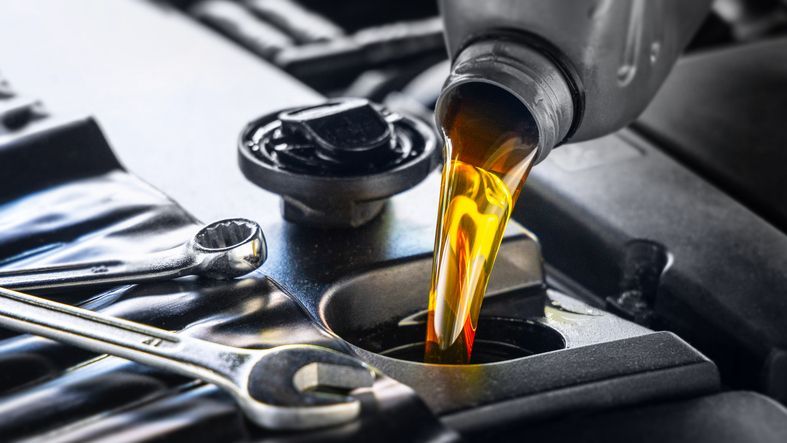
Engine oil is designed to lubricate moving engine components, reduce friction, help manage heat, and carry contaminants toward the oil filter. To accomplish those jobs, the oil needs to flow properly at different operating temperatures.
Temperature affects the viscosity, or resistance to flow, of engine oil. Oil generally becomes more resistant to flow as temperatures decrease and less resistant as temperatures increase.
Modern multi-grade motor oils are formulated to perform across a range of temperatures. That is why vehicles commonly use oils with viscosity grades such as 0W-20, 5W-20, or 5W-30.
The changing season does not automatically make the oil in your engine unsuitable. What matters is whether you are using the oil specified for your vehicle and whether that oil is still within its recommended service interval.
Drivers who want to better understand seasonal changes can read more about how weather conditions affect your car's oil life.
What Happens to Engine Oil After a Hot Summer?
Fall oil maintenance actually starts with considering what your vehicle went through during the summer.
High outside temperatures are only one part of the equation. Your engine generates considerable heat whenever it operates. Add long road trips, highway driving, stop-and-go traffic, frequent commuting, and other demanding driving conditions, and your engine oil may have accumulated substantial use by September.
Over time, normal engine operation gradually degrades the oil and the additives that help it protect your engine.
Engine oil may also collect contaminants as it circulates. The oil filter captures many contaminants, while the oil itself contains additives designed to help keep the engine clean.
How quickly oil reaches the end of its useful service interval depends on several factors, including:
- Vehicle and engine design
- Oil type and specification
- Mileage
- Time since the previous oil change
- Driving habits
- Operating conditions
- Manufacturer recommendations
If your vehicle covered thousands of miles during summer vacations, commuting, or everyday driving, fall provides a natural opportunity to see how close you are to your next scheduled oil change.
What Does Oil Viscosity Mean in Cold Weather?
Oil viscosity is one of the most important concepts to understand when discussing fall and winter oil changes.
Viscosity describes a fluid's resistance to flow. When temperatures fall, engine oil becomes more resistant to flow. Your engine oil therefore needs to be capable of circulating effectively during a cold start while continuing to protect the engine once it reaches its normal operating temperature.
Multi-grade oils are designed for these changing conditions.
Consider a common viscosity grade such as 5W-30. The number before the "W" relates to the oil's cold-temperature performance, while the second number relates to its viscosity characteristics at normal engine operating temperatures.
A lower number before the "W" generally indicates better flow characteristics at lower temperatures. However, that does not mean drivers should simply choose the oil with the lowest number.
The best oil viscosity for your vehicle is the one specified by its manufacturer.
Check your owner's manual or manufacturer specifications before changing oil viscosity based on the weather.
Why Are Cold Starts Important for Engine Protection?
Cold starts are one reason oil viscosity matters as summer transitions into fall.
When your vehicle has been sitting, engine oil needs to circulate after startup and provide lubrication to moving engine components. Lower temperatures affect how readily oil flows during this process.
Modern motor oils and engines are designed with these operating conditions in mind, provided that the engine contains the correct type and amount of oil.
Problems can arise when maintenance is neglected.
If the engine is low on oil, the wrong oil is being used, or an oil change has been delayed well beyond the recommended interval, the engine may not have the level of lubrication and protection intended by the manufacturer.
Fall is therefore a useful maintenance checkpoint. Rather than waiting for the coldest morning of winter, check your maintenance schedule while temperatures are beginning to change.
Do You Need an Oil Change After Summer?
You do not automatically need an oil change at the end of every summer.
Instead, ask a few questions:
- When was my last oil change?
- How many miles have I driven since then?
- What oil change interval does my vehicle manufacturer recommend?
- What does my oil-life monitoring system indicate?
- Did I drive considerably more than normal during the summer?
- Have my recent driving conditions been more demanding than usual?
Your answers provide much more useful information than the calendar alone.
For example, someone who took multiple summer road trips may reach a recommended service interval earlier than expected. Another driver who barely used the vehicle over the summer may have very different maintenance needs.
The objective is not to change your oil unnecessarily. It is to prevent an overdue oil change from being forgotten as your vehicle transitions into another season.
What Are the Signs You May Be Due for an Oil Change?
Ideally, you should change your oil according to your vehicle's recommended maintenance schedule rather than waiting for symptoms.
However, several indicators can tell you that it is time to review your maintenance status.
Your Oil Change or Maintenance Reminder Is On
Many newer vehicles track oil life or provide maintenance reminders. Do not ignore these notifications simply because the vehicle appears to be running normally.
You've Reached Your Recommended Service Interval
Check your mileage and maintenance records. If you are approaching the manufacturer's recommended interval, schedule your oil change accordingly.
You Don't Remember Your Last Oil Change
If you purchased a used vehicle or simply lost track of the last service date, review available service records and determine whether maintenance is due.
Your Oil Level Is Low
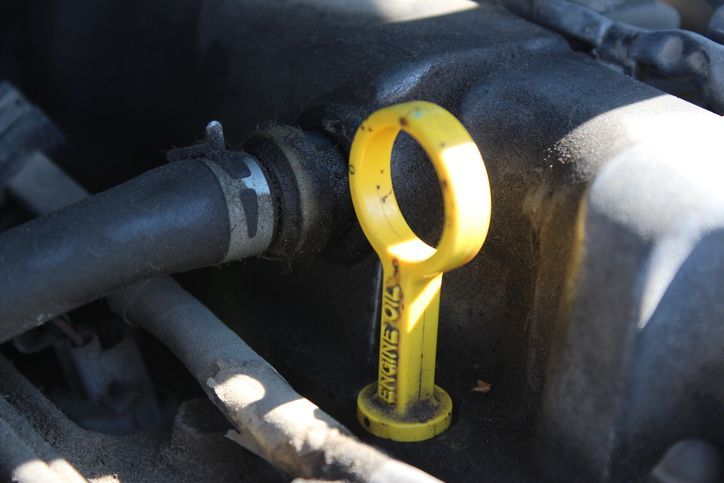
Check engine oil according to the instructions for your particular vehicle. A low oil level deserves attention, especially if the level repeatedly drops between services.
Your Engine Sounds Different
Ticking, knocking, or other unusual engine noises can have many causes. Do not assume an oil change will automatically correct the problem. If your engine develops a new or unusual sound, it should be properly evaluated.
An oil pressure warning light also requires prompt attention. It should not be treated as a routine reminder that you are simply due for an oil change.
Does Dark Oil Mean You Need an Oil Change?
Not necessarily.
Engine oil commonly becomes darker as it circulates through the engine. Modern oil contains detergents and other additives designed to help suspend contaminants and keep engine components cleaner.
As a result, oil color alone is not a reliable way to determine whether an oil change is due.
Instead, use your manufacturer's maintenance schedule, current mileage, time since your last service, oil-life monitoring system, and driving conditions to determine when an oil change is appropriate.
This is particularly useful information for drivers checking their oil at the beginning of fall. Darker oil after summer driving does not automatically mean something is wrong.
Is Synthetic Oil Better for Fall and Winter?
Synthetic oil can provide advantages across temperature extremes, including strong low-temperature flow characteristics and resistance to degradation at high operating temperatures.
Those properties can be particularly useful when a vehicle needs to operate through summer heat followed by cold fall and winter temperatures.
Synthetic oil may also be required by your vehicle manufacturer. Many modern engines are designed around specific synthetic oils and viscosity grades.
If your vehicle permits different oil options, the decision should be based on manufacturer specifications and your vehicle's needs rather than the season alone.
Drivers considering synthetic oil can learn more about the impact of a synthetic oil change on engine longevity.
Should You Switch to Thinner Oil When Fall Arrives?
Do not switch oil viscosity simply because the temperature outside has changed.
Your vehicle manufacturer has determined which viscosity grades are appropriate for your engine. Some manufacturers specify one viscosity for year-round use, while others may provide recommendations for particular operating conditions.
Using oil that is thinner or thicker than recommended is not automatically beneficial and can affect how the engine's lubrication system performs.
If you are unsure what type of oil your vehicle requires, consult your owner's manual or ask a qualified service professional.
Are High-Mileage Vehicles More Sensitive to Seasonal Changes?
High-mileage vehicles deserve particular attention when temperatures begin changing, but mileage alone does not mean an engine is in poor condition.
Engines naturally experience wear as mileage accumulates. Seals, gaskets, and internal components age along with the rest of the vehicle.
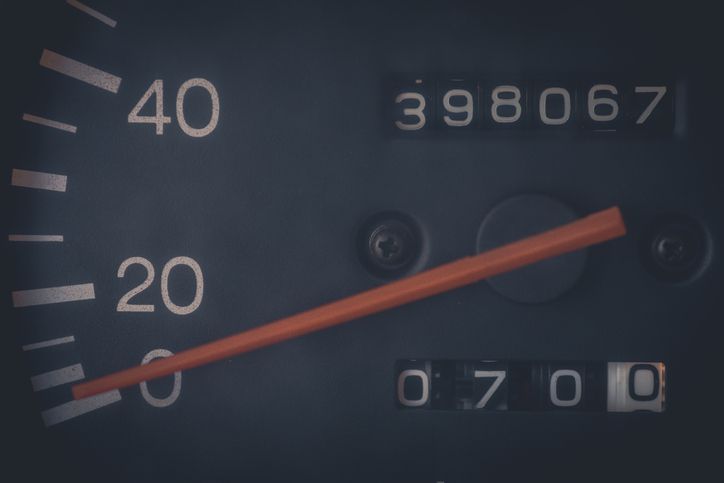
Consistent maintenance becomes increasingly important if you plan to keep a vehicle well beyond 75,000 or 100,000 miles.
Some motor oils are specifically formulated for high-mileage vehicles and contain additives intended for aging engines. Whether high-mileage oil is appropriate depends on your vehicle and its condition.
What matters most is consistency. Keeping up with oil changes and addressing leaks, unusual oil consumption, warning lights, and other problems early can help support the long-term reliability of an older vehicle.
What Else Should You Check Before Colder Weather?
An oil change is only one part of preparing a vehicle for fall and winter.
Use the seasonal transition to check other basic maintenance items as well.
Tire Pressure and Tread
Temperature changes can affect tire pressure. Check tire inflation using the vehicle manufacturer's recommended pressure and inspect your tires for excessive or uneven tread wear.
Battery Condition
A weak battery may become more noticeable as temperatures drop. If the engine has become slower to start or you've experienced electrical issues, consider having the battery tested.
Windshield Wipers
Good visibility becomes increasingly important as fall brings rain and shorter daylight hours. Replace damaged or ineffective wiper blades.
Vehicle Fluids
Check important fluids according to your vehicle manufacturer's recommendations. Low fluid levels or unexplained fluid loss should be investigated.
Exterior Lights
Make sure your headlights, brake lights, turn signals, and other exterior lights are functioning properly as days become shorter.
Addressing these items before winter can make seasonal vehicle maintenance easier to manage.
When Is the Best Time to Get a Fall Oil Change?
The best time for a fall oil change is when your vehicle is due for one.
There is no universal date or mileage interval that applies to every vehicle. Manufacturer recommendations, oil type, engine design, driving conditions, time, and mileage all influence when service should be performed.
However, September and October are convenient times to review your maintenance history.
If your vehicle is already due or will reach its recommended interval soon, taking care of the oil change before winter can help you avoid adding overdue maintenance to an already busy holiday and winter schedule.
This approach combines seasonal awareness with the actual maintenance requirements of your vehicle.
Why Make Hoods Up Quick Lube Part of Your Fall Maintenance?
Fall is a transition season for both drivers and vehicles. Summer road trips end, school and work routines return, temperatures fall, and winter driving is right around the corner.
Your engine oil needs to continue protecting your engine throughout those changing conditions.
If you are approaching your recommended oil change interval, there is no reason to wait until winter. Getting routine maintenance handled in the fall can help ensure your vehicle enters colder weather with the proper oil and one less overdue service item.
Hoods Up Quick Lube provides convenient oil change services for drivers who want to stay on top of routine vehicle maintenance without letting it disrupt an already busy schedule.
Get Your Vehicle Ready for Fall at Hoods Up Quick Lube
Summer oil does not suddenly become bad when the first cold morning arrives. The real question is whether the oil in your engine is still within its recommended service life and meets your vehicle manufacturer's specifications.
Fall gives you a convenient opportunity to find out.
Check when your oil was last changed, review your mileage, look at your maintenance or oil-life indicator, and consider how much driving you did over the summer.
If your oil change is due, visit Hoods Up Quick Lube before colder weather settles in. Staying current with routine oil changes can help provide the lubrication and engine protection your vehicle needs as summer heat gives way to cold fall mornings.

Cody has been a part of the Hoods Up Quick Lube team since its opening in 2017. As the district manager, he oversees the operations of all our locations and ensures that our high standards are met. With his extensive knowledge and experience in the automotive industry, Cody is dedicated to providing top-notch service to our customers.
Recent Posts