How Old Oil Can Ruin a Summer Road Trip Before It Starts

Summer road trips are supposed to be about getting out of town, spending time with family, and enjoying the drive. But before you pack the cooler and load the trunk, your vehicle needs attention too. Long drives, hot weather, traffic, and packed schedules can put extra stress on your engine.
One maintenance item that is easy to delay is an oil change. Your vehicle may seem to be running fine, but old or dirty oil can quietly make your engine work harder every time you drive. During a summer road trip, that extra strain can turn into poor performance, overheating, unexpected repair bills, or time spent waiting for roadside help instead of reaching your destination.
Getting a quick oil change service before a trip is one of the simplest ways to reduce that risk. It helps protect your engine, supports better performance, and gives you one less thing to worry about before you leave.
Below, we’ll look at why summer driving is harder on your engine, what happens when oil gets old, and when you should stop by Hoods Up Quick Lube before hitting the road.
Why Summer Driving Is Harder on Your Engine
Your engine already produces a lot of heat during normal driving. In the summer, that heat builds up faster because outside temperatures are higher, and your vehicle may be working harder than usual. Add in a long drive, a full car, luggage, hills, highway speeds, and air conditioning, and your engine has a lot to manage.
Oil plays a key role in helping your engine handle that stress. It lubricates moving parts, allowing them to work together with less friction. It also helps carry heat away from certain engine components and keeps contaminants from building up where they can cause damage.
Summer road trips often combine several types of driving that can be tough on a vehicle. Highway driving keeps your engine running at sustained speeds for long stretches. Stop-and-go traffic forces the engine to work through repeated acceleration, braking, and idling. Sitting in traffic when the weather is hot can be especially hard on your vehicle because airflow is reduced and temperatures under the hood can climb.
When your oil is clean and at the right level, it can do its job more effectively. When it is old, dirty, or degraded, your engine has less protection when it needs more.
What Happens When Your Oil Gets Old or Dirty
Engine oil does not last forever. Over time, it breaks down from heat, pressure, and normal engine operation. As it ages, it can lose its ability to lubricate, cool, and protect the engine as well as it should.
Old oil may become thicker, dirtier, and less efficient. Instead of flowing smoothly through the engine, it can move more slowly, leaving parts less protected. That can increase friction between engine components. More friction means more heat, more wear, and more stress on the engine.
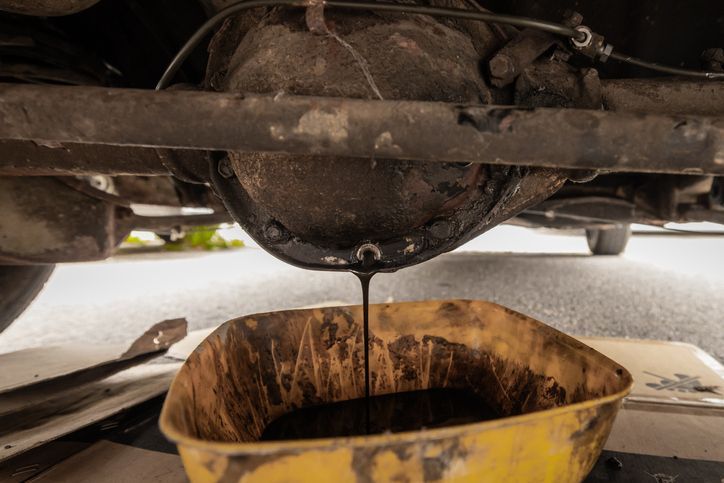
Oil also picks up contaminants as you drive. Dirt, dust, tiny metal particles, and combustion byproducts can collect in the oil. Your oil filter helps capture some of these contaminants, but it also has limits. If oil is left in too long, that buildup can contribute to sludge and reduce the oil’s ability to protect the engine.
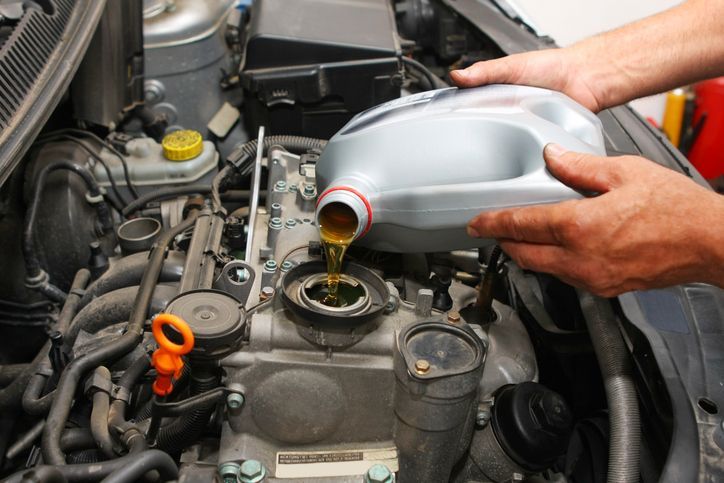
This is why regular oil changes matter. Fresh oil helps reduce friction, supports temperature control, and keeps internal engine parts cleaner. Waiting too long can make your vehicle less efficient and less reliable, especially before a long summer drive.
How Old Oil Can Ruin a Road Trip
Old oil may not cause a problem the moment you pull out of the driveway. That is part of what makes it easy to ignore. But during a road trip, your engine may run for hours at a time in hot conditions. If the oil is already past its service interval, those miles can worsen existing problems.
One common risk is overheating. Oil helps reduce friction and move heat away from engine components. When oil is dirty or degraded, it cannot perform those jobs as well. Increased friction can generate more heat, contributing to engine temperature problems during long drives.
Old oil can also affect fuel efficiency. When engine parts are not properly lubricated, the engine has to work harder. That can lead to increased fuel use, resulting in more stops and higher travel costs. For families and budget-conscious drivers, that is not a small issue when planning a long trip.
Performance can suffer too. If your vehicle feels sluggish, slow to accelerate, or rougher than usual, old oil may be one of several possible causes. A road trip is not the best time to find out your car is not responding the way it should, especially when merging onto highways, climbing hills, or passing safely.
The bigger concern is engine damage. Continuing to drive with old or dirty oil can increase wear on internal parts. In serious cases, poor lubrication can contribute to costly repairs or engine failure. Even if the problem does not reach that point, being stranded away from home can quickly turn an affordable trip into a stressful one.
An oil change is not a guarantee against every vehicle problem, but it is a practical step that helps reduce preventable risk.
Warning Signs You’re Overdue for an Oil Change
Some vehicles show clear signs when the oil needs attention. Others may not make it obvious until the problem has progressed. Before a summer road trip, it is worth
checking for these warning signs.
Dark, dirty oil is one of the simplest indicators. Clean oil is usually amber or light brown, depending on the type and the time since its last change. If the oil on the dipstick looks very dark, gritty, or thick, it may be time for service.
Unusual engine noises can also be an indicator. Knocking, ticking, or louder-than-normal engine sounds may happen when parts are not getting the lubrication they need. These noises should not be ignored, especially before a long drive.
Dashboard warning lights matter too. If your oil change light, oil pressure light, or check engine light is on, have it checked before leaving. A warning light does not always mean the same thing on every vehicle, but it is there for a reason.
A burning smell is another sign to take seriously. It could mean oil is leaking onto hot engine parts, or it could point to another issue that needs attention.
Decreased fuel economy can also be related to old oil or other maintenance concerns. If you are filling up more often than usual, your vehicle may not be running as efficiently as it should.
When to Get an Oil Change Before a Road Trip
If you are close to your next oil change, do not wait until after your trip. A good rule is to get it done before leaving if you are within 1,000 miles of your next service interval. A road trip can add miles quickly, and hot-weather driving can be harder on your engine than your usual routine.
The ideal time is about one to two weeks before your trip. That gives you enough time to handle the oil change and address any other maintenance concerns without rushing on the day you leave.
It is also a good time to
combine your oil change with other quick checks, such as tire pressure, fluid levels, lights, wipers, and filters. These small steps can help you catch simple problems before they interrupt your plans.
Why Choose Hoods Up Quick Lube Before Your Trip
Before a road trip, most drivers do not want to spend extra time waiting around for maintenance. Hoods Up Quick Lube makes it easier to get your oil changed before summer travel.
A quick oil change service helps you get in, get the service your vehicle needs, and get back to your day. No appointment is necessary, which is helpful when your schedule is already full with packing, errands, work, and family plans.
The technicians at Hoods Up Quick Lube understand how important basic maintenance is before a long drive. They can help make sure your vehicle has fresh oil and is better prepared for the added stress of summer driving.
For drivers who want to avoid preventable problems, this simple stop can make a real difference. It is faster and less expensive than dealing with a breakdown on the road.
Take Care of Your Oil Before You Take Off
Old oil is one of those problems that is easy to overlook until it creates a bigger issue. During summer travel, your engine works harder, runs hotter, and spends more time under steady demand. If your oil is already dirty, low, or overdue, that can increase the risk of poor performance, overheating, and costly repairs.
A pre-trip oil change is a practical way to protect your vehicle and your budget. Before you hit the road this summer, stop by Hoods Up Quick Lube for a quick oil change and drive with confidence.

Cody has been a part of the Hoods Up Quick Lube team since its opening in 2017. As the district manager, he oversees the operations of all our locations and ensures that our high standards are met. With his extensive knowledge and experience in the automotive industry, Cody is dedicated to providing top-notch service to our customers.
Recent Posts