Why Summer Is the Hardest Season on High-Mileage Engines
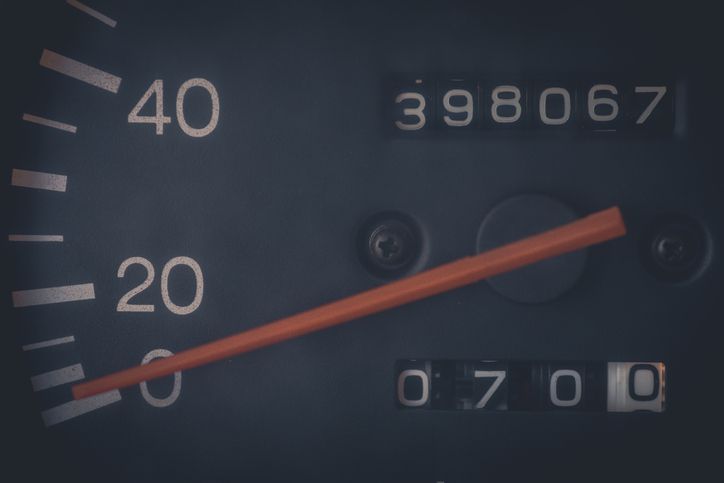
A vehicle with more than 100,000 miles is not necessarily nearing the end of its useful life. Many modern vehicles can remain dependable well beyond that point when they receive consistent maintenance and timely repairs.
However, vehicles with higher mileage often need more attention during the summer. Hot outdoor temperatures, longer road trips, stop-and-go traffic, and extended engine operation can place additional strain on components that already have years of wear.
This does not mean drivers should avoid using an older vehicle during warm weather. It means preventative care becomes especially important. Routine oil changes, fluid checks, and basic inspections can help reduce engine wear and give drivers greater confidence during daily commutes and summer travel.
Understanding high-mileage engine maintenance can help you recognize potential problems early and make practical decisions that support the long-term reliability of your vehicle.
Why High-Mileage Engines Need Extra Attention
A vehicle is commonly considered high mileage once it reaches approximately 75,000 miles, although mileage alone does not determine its overall condition.
A vehicle with 100,000 miles and a consistent maintenance history may be in better condition than a vehicle with fewer miles that has missed oil changes or experienced years of demanding driving. Short trips, frequent idling, stop-and-go traffic, towing, and inconsistent service can all affect how quickly engine components wear.
As mileage accumulates, normal changes begin to occur inside the engine. Moving components may develop additional clearance between surfaces. Gaskets and seals can become less flexible. Deposits may build up, and the engine may begin using oil more quickly than it did when it was newer.
These changes are often gradual and manageable. However, they can make the engine more sensitive to extreme heat, low fluid levels, old oil, and cooling system problems.
Summer conditions can expose weaknesses that may not be as noticeable during milder weather. A small oil leak, an aging hose, a low coolant level, or a weak battery may become more serious when temperatures rise.
How Summer Heat Increases Engine Stress
Engines naturally generate a significant amount of heat. The cooling system, engine oil, radiator, fans, and other components work together to keep operating temperatures within the appropriate range.
During the summer, the engine must release its own heat while surrounded by warmer air. This makes the cooling system work harder, especially when a vehicle is idling, climbing hills, carrying additional weight, or running the air conditioning.
Higher Operating Temperatures
High-mileage engines may already have aging cooling system components, minor leaks, or deposits that affect heat transfer. When outdoor temperatures rise, the system has less room for error.
Low coolant, a worn belt, a damaged hose, or a failing cooling fan can cause engine temperatures to increase quickly. Even if the vehicle does not fully overheat, repeated operation at higher temperatures can add stress to seals, gaskets, and internal engine components.
Increased Friction
Motor oil creates a protective layer between the moving engine parts. It also helps transfer heat and carry contaminants toward the oil filter.
As oil ages, it typically becomes less effective at providing consistent protection. High temperatures, extended driving, and engine deposits may accelerate this process.
Older engines may depend even more heavily on proper lubrication because internal components have already experienced years of friction and wear. Maintaining the proper oil level and changing the oil on schedule are important parts of protecting these surfaces.
Stop-and-Go Traffic
Summer construction, vacation traffic, and busy local roads often result in more idling and slower travel.
When a vehicle is moving slowly, less air passes through the radiator. The cooling fan must do more of the work, and the engine may continue producing heat while the vehicle remains nearly stationary.
Running the air conditioning also places an additional load on the engine. For a well-maintained vehicle, this is usually manageable. For an older vehicle with low fluids or aging components, it can reveal an existing problem.
Long Summer Road Trips
Extended highway driving allows the engine to operate continuously for hours. Vacation travel may also involve additional passengers, luggage, hills, traffic, and high outdoor temperatures.
A high-mileage vehicle may handle a road trip without difficulty, but it should be checked before departure. Oil level, coolant, tires, belts, hoses, and other fluids should be inspected before the vehicle is placed under sustained demand.
Common Summer Problems for High-Mileage Vehicles
Older vehicles often provide warning signs before a larger problem develops. Drivers should pay attention to changes in performance, fluid use, engine temperature, and sound.
Increased Oil Consumption
Some high-mileage engines begin using oil between scheduled services. This may happen because of worn internal components, aging seals, or small leaks.
Checking your oil level regularly can help prevent the engine from operating with insufficient lubrication. Drivers can also review practical tips for maintaining a vehicle's oil system between services.
Small Oil Leaks Becoming Larger
Heat can affect aging seals and gaskets. A small leak that was previously difficult to notice may begin leaving spots beneath the vehicle or causing the oil level to drop more quickly.
Oil leaks should be evaluated rather than ignored. Continuing to drive your vehicle with a low oil level can cause increased friction and engine damage.
Higher Engine Temperatures
A rising temperature gauge, coolant warning light, steam, or a sweet smell near the engine may indicate a cooling system problem.
Drivers should not continue operating a vehicle that is overheating. Doing so can cause serious engine damage.
Reduced Fuel Economy
Lower fuel efficiency can result from several issues, including low tire pressure, dirty filters, old fluids, engine performance problems, or increased air conditioning use.
A sudden or significant change in fuel economy may be worth discussing with a technician.
Rough Engine Performance
Shaking, hesitation, difficult starting, or inconsistent idling may indicate that the engine needs maintenance or further evaluation.
Hot weather can make some existing problems more noticeable, especially when the vehicle is idling with the air conditioning running.
Increased Engine Noise
Ticking, tapping, knocking, or grinding sounds should not be ignored. Some noises may be connected to low oil, reduced oil pressure, worn components, or other mechanical problems.
Catching changes early can help prevent a manageable maintenance issue from becoming a larger repair.
How Regular Oil Changes Help Older Engines
Routine oil changes are one of the most important parts of high-mileage engine maintenance.
Fresh motor oil helps reduce friction between moving components. It also carries heat away from internal surfaces and helps suspend dirt, deposits, and combustion byproducts until they can be removed through the oil filter and during the next service.
Older engines may contain more deposits and have more internal wear than newer engines. Keeping clean oil at the correct level can help provide consistent lubrication and reduce unnecessary stress.
Drivers should follow the maintenance schedule recommended for their vehicle, but they should also consider how the vehicle is used. Frequent short trips, heavy traffic, extended idling, towing, and repeated summer travel may require closer attention to oil condition and service intervals.
Regular oil changes also create opportunities to notice leaks, low fluid levels, worn filters, or other concerns before they become more serious. Over time, timely service can also support the vehicle's condition and ownership history. Learn more about how quick oil changes can help protect a car's resale value.
Additional Summer Maintenance Tips for High-Mileage Vehicles
Oil changes are important, but they are only one part of summer vehicle care. Drivers should routinely monitor several basic maintenance items.
Check the engine oil level between services, especially before long trips. Oil should be checked according to the instructions in the owner's manual and with the vehicle parked on a level surface.
Coolant should also remain at the proper level. Never remove your radiator cap while the engine is hot.
Tire pressure should be checked when the tires are cool. Proper inflation supports handling, fuel efficiency, and even tire wear.
Air filters should be inspected and replaced when dirty. A restricted engine air filter can affect performance, while a clogged cabin filter can reduce airflow from the climate control system.
Battery condition is also important. Heat can contribute to battery wear, and an older battery may struggle without much warning.
Belts and hoses should be checked for cracks, softness, swelling, fraying, or other visible damage. Drivers should also monitor transmission fluid, brake fluid, windshield washer fluid, and other vehicle-specific fluids.
These inspections do not eliminate every possibility of a breakdown, but they can help identify common concerns before summer driving places additional strain on the vehicle.
Should You Switch to High-Mileage Oil?
High-mileage motor oil is generally designed for vehicles that have accumulated approximately 75,000 miles or more.
These oils may include additives intended to support aging seals, reduce oil consumption, manage deposits, and provide protection for engines with normal wear. Certain formulations may also help limit minor seepage around older seals and gaskets.
High-mileage oil is not automatically required for every older vehicle. The appropriate choice depends on the engine, current oil type, mileage, condition, driving habits, and manufacturer recommendations.
A technician at Hoods Up Quick Lube can review your vehicle's mileage and maintenance needs and help you determine whether high-mileage oil is appropriate.
Protect Your Investment This Summer
Keeping a vehicle for many years can be a practical financial decision, but long-term ownership depends on consistent care.
Routine maintenance can help reduce friction, support proper engine temperature, identify leaks, and address worn components before they lead to more expensive repairs. It can also improve reliability during commutes, errands, and summer trips.
Preventative maintenance is generally more manageable than responding to an overheating engine, severe oil loss, or an unexpected breakdown.
Drivers do not need to replace parts unnecessarily or assume that every older vehicle is unreliable. They do need to pay attention to warning signs, follow appropriate service intervals, and keep essential fluids at the correct levels.
Prepare Your High-Mileage Vehicle for Summer
Summer heat can be demanding on any engine, but vehicles with higher mileage may have less tolerance for old oil, low fluids, aging seals, and worn cooling system components.
Do not wait for an overheating warning, unusual noise, or oil pressure light before scheduling maintenance. A timely oil change and routine inspection can help identify concerns early and support dependable performance throughout the season.
If your vehicle has accumulated thousands of reliable miles and you want to get a quick oil change, we've got you covered!
Visit Hoods Up Quick Lube for a professional oil change and preventative maintenance service that helps protect your engine during hot-weather driving.

Cody has been a part of the Hoods Up Quick Lube team since its opening in 2017. As the district manager, he oversees the operations of all our locations and ensures that our high standards are met. With his extensive knowledge and experience in the automotive industry, Cody is dedicated to providing top-notch service to our customers.
Recent Posts