How Summer Heat Breaks Down Oil Faster Than You Expect
Summer heat affects more than your comfort. It can also place extra stress on your vehicle, especially your engine oil. While many drivers think about checking tire pressure, testing the battery, or making sure the air conditioning works before hot weather arrives, oil maintenance is easy to overlook. That can be a costly mistake.
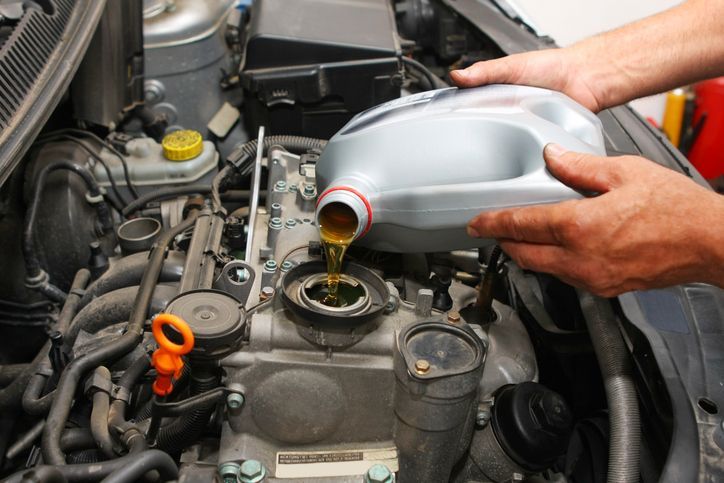
Engine oil plays a major role in protecting your vehicle every time you drive. It lubricates moving parts, helps manage heat, and carries away contaminants that build up inside the engine. During the summer, the oil often has to work harder than usual. Hot pavement, long road trips, stop-and-go traffic, towing, and extended highway driving can all raise operating temperatures and increase wear.
A timely summer oil change can help keep your engine protected when the weather is at its hottest. Understanding how heat affects oil can also help you avoid preventable problems, including reduced performance, poor fuel economy, and expensive repairs.
Why Engine Oil Matters More During Summer
Engine oil is one of the most important fluids in your vehicle. Its main job is to create a protective barrier between moving metal parts inside the engine. Without that barrier, friction increases, heat builds, and components can wear down much faster.
While your cooling system manages much of the engine’s temperature, motor oil supports that process by moving through areas where coolant does not reach directly. As it circulates, it helps carry heat away from critical parts.
Oil also collects contaminants. Dirt, carbon deposits, moisture, and tiny metal particles can enter or form inside the engine over time. Clean oil helps suspend those contaminants so they can be captured by the oil filter rather than continuing to circulate through the engine.
During summer, your oil often faces tougher conditions. Long road trips mean the engine may operate for hours at a time. Heavy traffic forces the engine to run hot while the vehicle moves slowly. Towing, hauling, and climbing hills all increase engine load. Even extended highway driving can keep oil exposed to high temperatures for long periods.
These conditions can shorten the effective life of your oil, especially if it is already old, dirty, or low. That is why the importance of regular oil changes becomes even clearer during the hottest months of the year.
How High Temperatures Cause Oil to Break Down
Oil breaks down gradually. Summer heat can speed up that process, which means your oil may lose effectiveness sooner than you expect.
One of the main causes of oil breakdown is oxidation. In simple terms, oxidation happens when oil reacts with oxygen. Heat speeds up this reaction. As oil oxidizes, its chemical structure changes, and it becomes less able to protect the engine the way it should.
Over time, oxidized oil may become thicker, darker, or more contaminated. In some high-heat conditions, oil can also lose some of its ability to maintain the right viscosity. Viscosity refers to how easily oil flows. Your engine needs oil that is thin enough to move quickly at startup but stable enough to protect parts when temperatures rise.
Reduced lubrication can allow more metal-to-metal contact inside the engine. That increases friction, and friction creates even more heat. This cycle accelerates wear on critical components.
Heat also affects the additives blended into motor oil. Modern engine oils contain additives that help fight corrosion, prevent sludge, reduce foaming, and improve performance under different temperatures. As oil ages and is exposed to heat, those additives get used up. Once they are depleted, the oil has less ability to control deposits and protect the engine.
Contaminants can also build up faster during summer driving. Stop-and-go traffic, frequent short trips, dusty roads, and heavy engine loads can all contribute to dirty oil. Carbon deposits, dirt, and metal particles may circulate through the engine if the oil and filter are not changed on schedule.
This is one reason weather matters more than many drivers realize. If you want a deeper look at how temperature, humidity, and seasonal conditions can affect maintenance timing, Hoods Up Quick Lube explains more in this guide to how weather conditions affect your car's oil life.
Signs Summer Heat May Be Affecting Your Oil
Your vehicle may give you warning signs when oil is no longer protecting the engine properly. Some signs are obvious, while others are easy to dismiss until the problem becomes more serious.
Reduced fuel economy can be one clue. When oil is old or degraded, the engine may experience more friction. The harder the engine has to work, the more fuel it may use. Many factors can affect fuel economy, but dirty or worn-out oil should not be ignored.
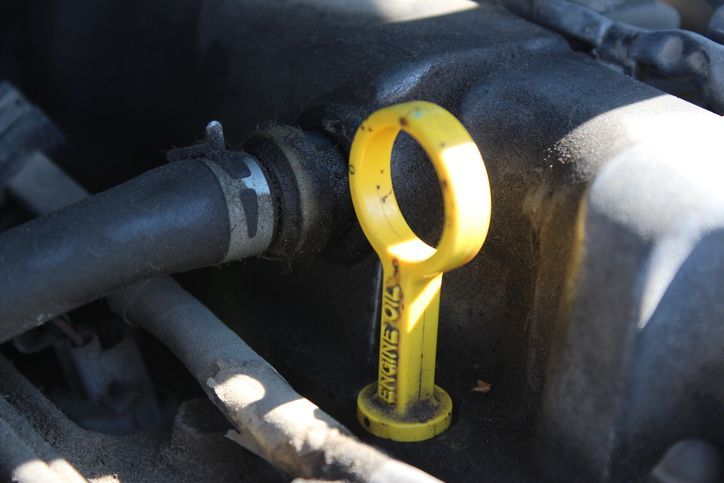
Dark or dirty oil is another warning sign. Fresh oil is usually amber or light brown, although the exact color can vary by oil type. As oil circulates, it naturally darkens. Very dark, gritty, or dirty-looking oil may indicate it is time for service. Checking the dipstick regularly during summer can help you spot changes before they become bigger issues.
An engine that runs hotter than normal may also be a concern. Oil is not the only part of the cooling equation, but degraded oil can contribute to higher friction and heat. If your temperature gauge is climbing or warning lights appear, it is important to address the issue quickly.
A burning oil smell can point to overheated oil, leaking oil, or oil contacting hot engine parts. This should never be ignored, especially during hot weather or after a long drive.
Increased engine noise is another possible sign. Ticking, tapping, or knocking sounds may occur when oil is too low, too dirty, or no longer lubricating properly. If the engine sounds different than usual, checking the oil level and scheduling service can help prevent further damage.
What Happens When You Delay an Oil Change During Summer?
Delaying an oil change may seem like a way to save money in the short term, but it can increase long-term repair costs.
When oil breaks down, engine wear can increase. Bearings, pistons, camshafts, and other internal components rely on proper lubrication. Once that protection weakens, parts can experience more friction and heat.
Old oil can also contribute to sludge formation. Sludge is a thick, dirty buildup that can restrict oil flow and reduce engine efficiency. If sludge blocks narrow oil passages, some engine parts may not receive the lubrication they need.
Performance can suffer as well. Your vehicle may feel less responsive, run rougher, or use more fuel. While an overdue oil change is not the only possible cause of these symptoms, it is one of the easiest issues to prevent.
Poor lubrication and heat-related wear can also lead to repairs that cost far more than routine oil maintenance. For budget-conscious drivers, staying on schedule is often the smarter choice. A quick stop for routine oil maintenance can help protect your vehicle and reduce the risk of avoidable problems.
Synthetic vs. Conventional Oil in Hot Weather
Not all oils perform the same under high temperatures. Conventional oil can protect many vehicles when changed at the proper interval, but synthetic oil is often better suited for extreme heat and demanding driving conditions.
Synthetic oil typically resists breakdown better at high temperatures, maintains viscosity more consistently, and provides longer-lasting protection than conventional oil. This can be especially helpful in summer when your engine may be exposed to longer run times and higher operating temperatures.
Synthetic oil is worth considering if you drive a high-mileage vehicle, take frequent road trips, tow or haul, spend a lot of time in heavy traffic, or want added protection during hot weather.
That said, the best oil for your vehicle depends on its age, mileage, manufacturer recommendations, and driving habits. If you are unsure whether synthetic oil is right for your car, the team at Hoods Up Quick Lube can help you understand your options during your next service.
How Often Should You Change Your Oil During Summer?
The right oil change schedule depends on your vehicle and how you use it. Vehicle manufacturers provide recommended intervals based on mileage, oil type, and driving conditions. Many vehicles also have oil life monitoring systems that estimate when service is due.
However, summer driving can fall into more demanding conditions. Frequent stop-and-go traffic, towing, dusty roads, long highway drives, and extreme heat can all affect how quickly oil ages. Older vehicles may also need closer attention, especially if they burn oil, leak oil, or already have high mileage.
Before a summer road trip, check when your last oil change was completed. If you are close to your next service interval, it is often better to take care of it before you leave rather than wait until you return.
For drivers who need service without losing much time, Hoods Up Quick Lube offers quick oil changes that make preventative maintenance easier to fit into a busy schedule.
Protect Your Vehicle Before Your Next Summer Trip
Check your oil level regularly, especially before long drives. Low oil can increase heat and friction inside the engine. If the level is low, do not assume topping it off solves the whole problem. Low oil may point to burning, leaking, or overdue maintenance.
Watch for the oil pressure light, check engine light, or temperature warning. These should be addressed as soon as possible. Continuing to drive with a serious warning light can cause more damage.
Schedule oil changes before major travel. Summer vacations, weekend trips, and long commutes can all put extra demand on your engine. Taking care of maintenance ahead of time is a simple way to reduce risk.
Pay attention to smells, sounds, and performance changes. Burning smells, louder engine noise, rough running, or lower fuel economy can all signal that your vehicle needs attention.
Keep Your Engine Protected All Summer
Summer heat can take a bigger toll on engine oil than many drivers realize. High temperatures, long drives, traffic, towing, and heavy engine loads can all speed up oil breakdown and reduce protection. When oil loses its ability to lubricate, cool, and clean effectively, your engine may face increased wear, reduced performance, and higher repair risks.
If it has been a while since your last oil change, stop by Hoods Up Quick Lube before your next road trip or during the hottest part of the season. Our team can help keep your vehicle protected with preventative service that fits your schedule. Stop in today for your summer oil change!

Cody has been a part of the Hoods Up Quick Lube team since its opening in 2017. As the district manager, he oversees the operations of all our locations and ensures that our high standards are met. With his extensive knowledge and experience in the automotive industry, Cody is dedicated to providing top-notch service to our customers.
Recent Posts